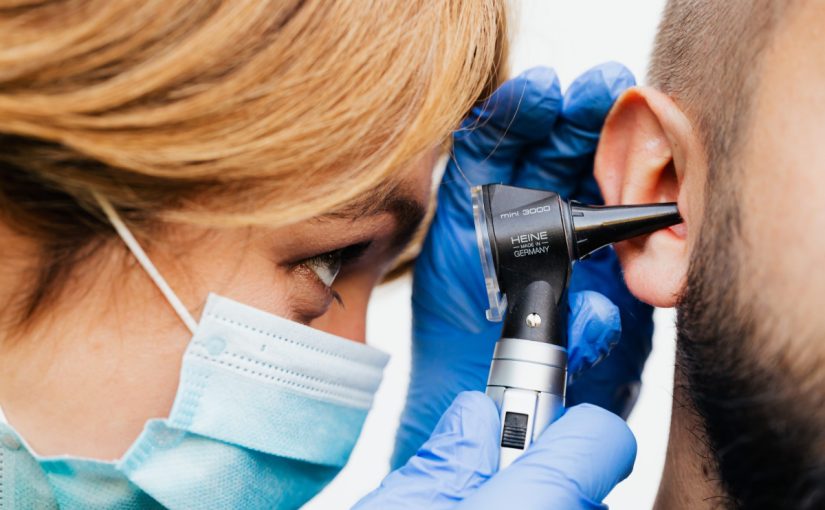
Earaches and ear infections are common health issues in children but can affect people of all ages. They are usually caused by inflammation, infection or blockage in the ear. The symptoms can range from mild to severe and can cause discomfort, pain, and hearing difficulties.
This article will provide an overview of earaches and ear infections, their causes, symptoms, treatments and prevention measures.
Key Takeaways
- Earaches can result from middle ear infections, inflammation, earwax build-up, pressure changes, ear injuries, foreign objects or dental problems.
- Symptoms may include throbbing pain, reduced hearing, difficulty sleeping, balance problems, fever, fluid discharge and loss of appetite.
- Many mild ear infections resolve naturally within several days and discomfort can often be managed with appropriate pain relief and warm compresses.
- Cotton buds should not be used to remove earwax, and foreign objects lodged in the ear should always be removed by a healthcare professional.
- Severe or persistent pain, fever, discharge, hearing loss or symptoms in very young children should prompt medical assessment.
Causes of earaches
Painful or sore ears are usually caused by a middle ear infection and often clear up on their own after a few days. The infection is usually caused by another illness or a weakened immune system, resulting in swelling and congestion of the nasal passage, a sore throat and eustachian tubes. In some cases, a doctor will prescribe antibiotics to help clear the infection and to avoid hearing loss or other complications.
Some other causes of ear pain include:
- Changes in air pressure during plane rides
- Foreign objects in the ear
- Injuries or damage to the ear or eardrum
- Excessive earwax build-up
- Dental problems such as grinding or infections.
Symptoms of earaches
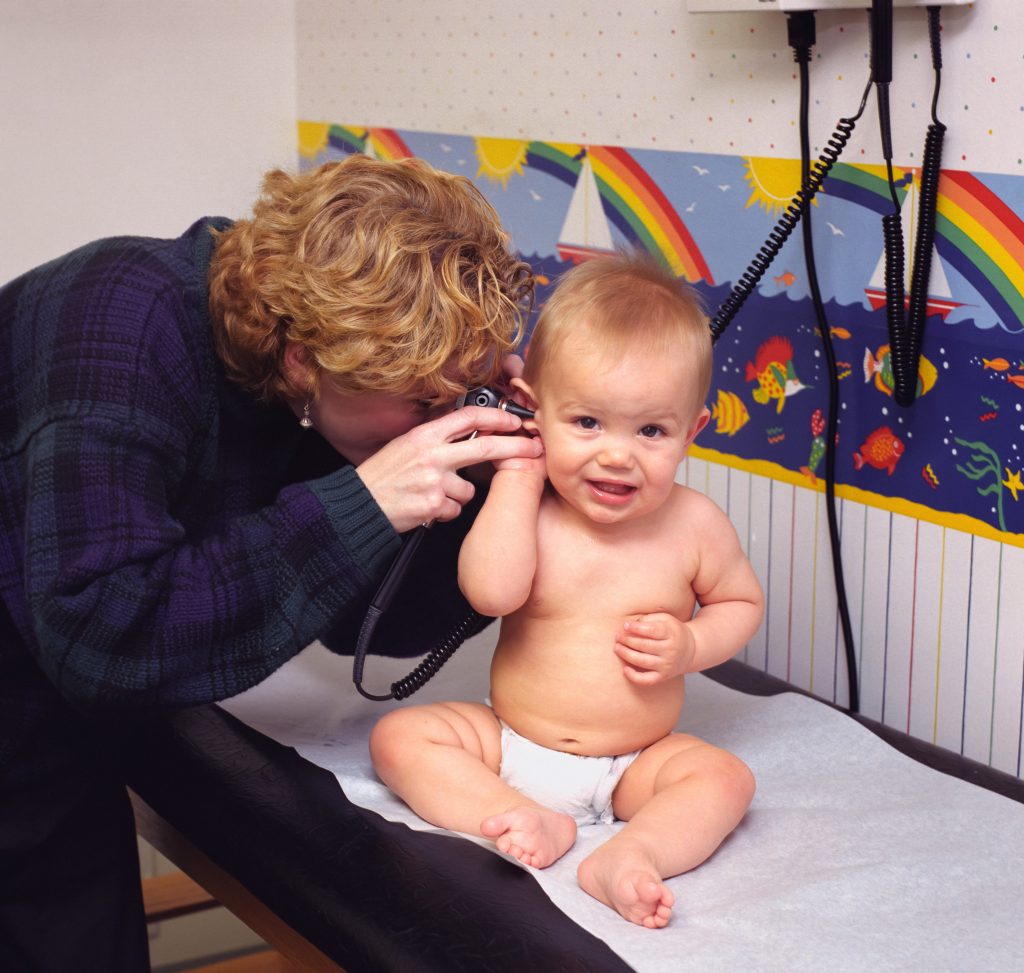
- Severe pain and throbbing
- Tugging or pulling at an ear
- Trouble sleeping
- Trouble hearing or responding to sounds
- Loss of balance
- Fever of 100 F (38 C) or higher
- Drainage of fluid from the ear
- Loss of appetite
Treatments
The cause of the earache will determine the most effective treatment and whether or not you will need to see a doctor. Contact a healthcare professional if you experience any of the following:
- Persistent or worsening, severe ear pain
- Fluid discharge from the ear
- Symptoms of illness, such as fever
- Loss of hearing
- Have diabetes or a weakened immune system
- Your child under 2 years old has an earache.
If you are not experiencing any of the above your ear infection usually resolves on its own within 7 days and can be managed with pain relief medicine like paracetamol or ibuprofen. However, if it is caused by wax build-up, you may need softening ear drops and professional ear cleaning.
Note: Always seek help from a doctor to remove a foreign object from your ear. Do never attempt to remove an object without professional assistance.
Pain relievers
In less serious infections and aches, there are several things you can do to relieve some pain. Firstly, start by holding a warm cloth or heat pack along the outside of your ear and take the recommended dosage of over-the-counter pain relief medicines such as paracetamol or ibuprofen. You may also find relief from keeping your head elevated while laying down.
Avoid using over-the-counter ear drops or olive oil if you have a perforated eardrum. These can cause harm and won’t alleviate ear pain. Also, refrain from using cotton buds or cotton swabs to clean your ears as they can harm your ear canal and don’t remove wax effectively.
Visit Greg Keily Chemist in Southport
If you’re experiencing ear pain and have tried natural remedies with no relief, over-the-counter medicines like Paracetamol (Panadol, Panamax, Herron, and Dymadon) can help. These medications can be safely taken even on an empty stomach.
The pharmacists at Greg Keily Chemist, a compounding pharmacy on the Gold Coast, are experienced and ready to answer any questions about the correct dosage and frequency of intake for these headache medicines. We have a large team of male and female pharmacists on hand, so whether you need prompt access to health advice or a fast prescription, we can help you!
For assistance, give them a call at (07) 5555 7877 or visit them at 98 Marine Parade in Southport. You can also email at info@gregkeilychemist.com.au.
Frequently Asked Questions
What are the most common causes of earaches in children and adults?
Earaches can be caused by infections, inflammation, or blockages in the ear. Middle ear infections are particularly common in children. Other causes include earwax build-up or irritation in the ear canal. Sinus infections or throat problems can also trigger ear pain.
Can earaches be caused by air pressure changes (like flying)?
Yes, changes in air pressure can affect the middle ear. This commonly occurs during flights or when travelling through mountains. The pressure difference can cause discomfort or a blocked sensation. Swallowing, yawning, or chewing gum may help equalise the pressure.
How can I tell if ear pain is from an ear infection vs earwax build-up?
Ear infections often cause pain along with fever or a general feeling of illness. Earwax build-up usually leads to a blocked feeling or reduced hearing. Infections may also produce fluid discharge or persistent discomfort.
What are the common symptoms of an earache or ear infection?
Typical symptoms include ear pain, pressure, and reduced hearing. Some people experience fever or fluid draining from the ear. Children may become irritable or have trouble sleeping.
How long do ear infections usually take to resolve on their own?
Many mild ear infections improve within a few days without antibiotics. Pain and discomfort usually lessen gradually. However, symptoms that persist beyond a few days should be assessed. Medical review may be needed if symptoms worsen.
What pain relief options can help manage earache symptoms?
Over-the-counter pain relief such as paracetamol or ibuprofen can help reduce discomfort. Warm compresses may also ease pain. Keeping the head elevated may relieve pressure.
When do earaches need antibiotics or a doctor’s review?
Antibiotics may be needed when a bacterial infection is suspected. Persistent symptoms, severe pain, or high fever should be assessed by a doctor. Young children are often monitored more closely.
What should I do if there’s fluid discharge, fever, or hearing loss with ear pain?
These symptoms may indicate a more serious ear condition. Medical evaluation is recommended as soon as possible. Early treatment helps prevent complications. Hearing changes should always be checked by a healthcare professional.