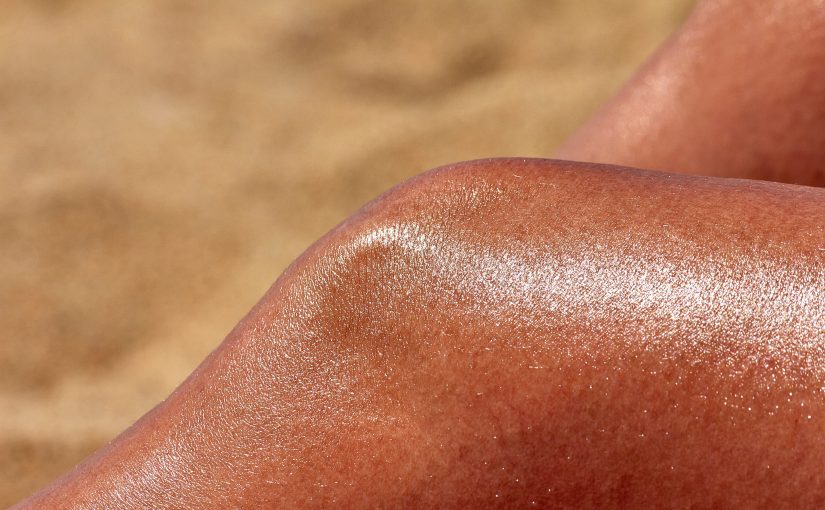
It happens. You play sport for just a bit too long under the sun, or you doze off while trying to get a bit of colour.
You swear you put on enough sunscreen but here’s the evidence: your skin’s a bit too red and starts to hurt to the touch. Hello, sunburn.
Healing time
How fast your sunburn heals depends on its severity. Mild sunburns which are characterised by redness and tolerable pain usually heals in less than a week. By day three, most mild sunburns begin to peel as cells regenerate to form new skin.
Moderate sunburns, on the other hand, will take a few more days longer to heal than a mild one. Moderate sunburns are more painful and might prompt you to get OTC pain medicines to get through. A lot of people can endure the discomfort enough to get on with their daily lives but individuals with lower pain thresholds sometimes take a break from work. Blisters may form and this is a sign that the damage goes deeper –down to the nerve endings.
Severe sunburns require a trip to the hospital. Aside from the blistering, severe sunburns are sometimes accompanied by fever, nausea, and sometimes, even dehydration. A severe sunburn may take a couple of weeks to fully heal.
Relief and Treatment
Sunburns are itchy and painful. Providing itch and pain relief is important to help prevent scratching which can lead to more serious problems, like an infection. Being prompt in your treatment also speeds up recovery time. Get your skin back in top shape fast with these remedies:
Aftersun lotion
Sometimes, sunburns don’t become evident until after a few hours following sun exposure. If you suspect that a sunburn is developing, it’s best to apply aftersun lotion right away.
Aftersun lotions typically contain natural ingredients such as aloe vera and tea tree extract which are known to soothe and disinfect, respectively. Vitamins A and E are also often thrown into the mix to help repair the damaged skin.
Fresh aloe vera – Fresh is best so if you can get your hands on an aloe vera plant, split a leaf open and dab the extract on your sunburn for a quick relief from the itch and pain.
Oatmeal
Heal sunburn blisters faster with oatmeal. Add two cups of powdered oatmeal to a cool bath and soak for an hour. Oatmeal has components that are known for repairing and restoring moisture to the skin.
Vinegar – Relieve the burning sensation with a vinegar mix. Dilute one part vinegar with two parts water. Soak a soft cloth into the solution and gently dampen the sunburnt area (even the sunburn blisters).
Hydrocortisone cream
Make itching and swelling go down with a 1% hydrocortisone cream. This is easy to find in pharmacies and should be a staple in your home as it also helps provide relief from insect bites.
Silver sulfadiazine
This topical antibiotic, which is usually administered to open wounds to prevent infection, can be used to heal sunburn blisters, too.
How to avoid sunburn
Your last sunburn might have been easy to treat but keep in mind that next time, you might not be so lucky. Avoid getting a sunburn by learning how to properly protect yourself when going out in the sun:
- Use sunscreen with an SPF of 30 or higher. It’s also important to choose a broad-spectrum sunscreen which protects you from both UVA and UVB rays. Apply on all exposed areas of the body including behind the ears. Remember to apply generously and to re-apply especially if you are living near the coast or in an area of high elevation.
- Your lips can burn too! Choose a lip balm with SPF to protect your lips during your summer outings.
- If your skin is extra sensitive to the sun or if the conditions are extreme, consider using a physical sunblock such as zinc oxide.
- Avoid going out when the sun is at its strongest. This is usually between 10am in the morning until 4pm in the afternoon.
Further Reading
You might also be interested in our article about recognising & avoiding heat stroke.
Frequently Asked Questions
How long does sunburn usually take to heal (mild vs moderate vs severe)?
Mild sunburn may improve within a few days with basic care and hydration. Moderate sunburn can take around a week to fully heal. Severe sunburn may take longer and sometimes requires medical attention.
What are the signs that a sunburn is severe and needs medical attention?
Severe sunburn may cause intense redness, swelling, and blistering. Other warning signs include fever, chills, dehydration, or dizziness. Large areas of blistering skin should also be assessed by a doctor.
What can I do straight away to relieve sunburn pain and itching?
Cooling the skin with a cool shower or compress can provide immediate relief. Drinking plenty of water helps prevent dehydration. Moisturising lotions or soothing gels may reduce dryness and irritation. Pain relief medication can also help manage discomfort.
Do aftersun lotions help, and what ingredients should I look for?
Aftersun products can help hydrate and soothe damaged skin. Ingredients like aloe vera are commonly used because they have cooling and calming effects. Moisturisers also help restore the skin barrier during healing. Avoid products with strong fragrances that may irritate the skin.
Can oatmeal baths help sunburn, and how do I use them?
Oatmeal baths can help soothe irritated and itchy skin. Finely ground oatmeal is added to lukewarm bath water to create a calming soak. This may help reduce inflammation and dryness. After bathing, gently pat the skin dry and apply moisturiser.
Is hydrocortisone cream safe to use for sunburn, itching and swelling?
Hydrocortisone cream may help reduce inflammation and itching in mild sunburn. It should be used for short periods and according to directions. If symptoms persist or worsen, medical advice should be sought.
What should I do if I have sunburn blisters?
Blisters should not be popped, as they protect the skin while it heals. Keep the area clean and covered if necessary. If blisters break, gently clean the area to reduce infection risk.
How can I prevent getting sunburned again (SPF, timing, and sun protection tips)?
Use a broad-spectrum sunscreen with an SPF of at least 30 and reapply regularly. Wearing protective clothing, hats, and sunglasses can also reduce exposure. Avoid prolonged sun exposure during peak UV hours. Seek shade whenever possible.