


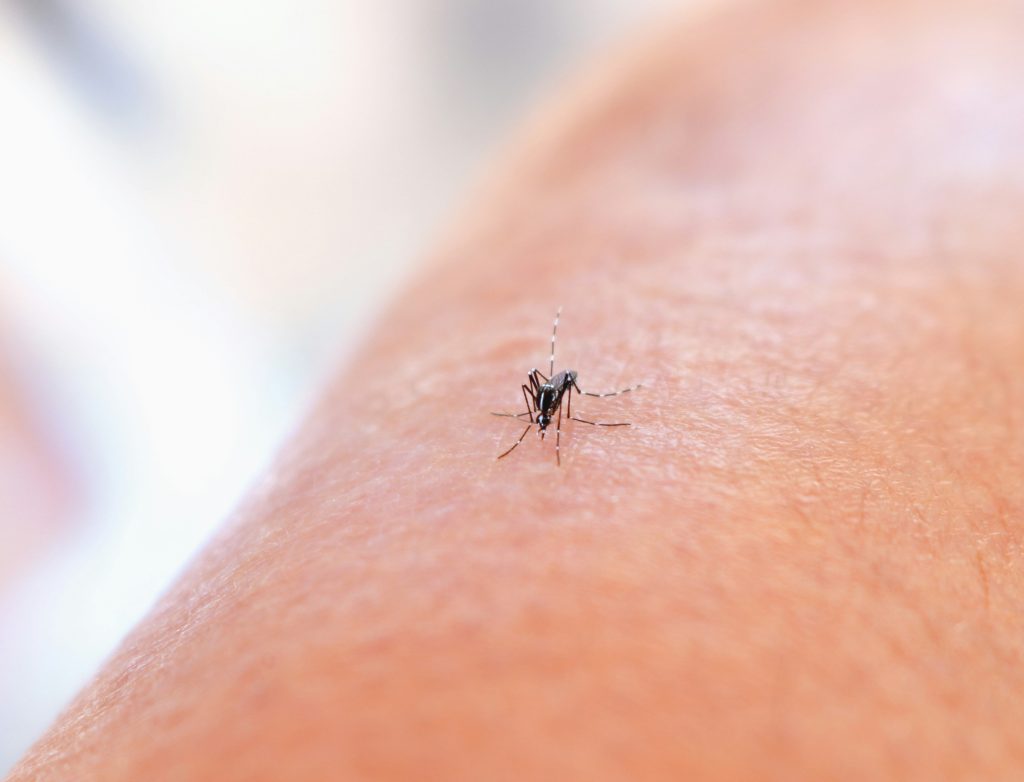
Insect stings and bug bites are very common especially during the summer when most people are out and about taking advantage of the beautiful weather. In most cases, they are easily treated without any need for medical attention.
Since it’s still summer in Queensland, the Gold Coast, and the rest of Australia, it pays not only to be cautious but also knowledgeable on how to best treat insect bites and stings.
Key Takeaways
- Most insect bites and stings cause temporary redness, swelling, itching or pain and generally improve within a few days.
- Mild local reactions can often be managed with cold compresses, appropriate antihistamines and over-the-counter pain relief.
- Bee stingers should be removed promptly, while different bites and stings such as ticks, caterpillars and spiders require different first-aid approaches.
- Facial or throat swelling, widespread rash, breathing difficulties, dizziness or other signs of anaphylaxis require immediate emergency treatment.
- Medical or pharmacist advice is important when symptoms spread, infection develops, swelling persists or the affected person has additional health risks.
Common symptoms of insect bites
How your skin reacts to a bite or sting usually depends on the type of insect that bit you. Insect bites are often exhibited by a puncture wound in the skin and would manifest the following symptoms:
- Skin irritation
- Mild pain
- Inflammation or swelling
- Bumps or blisters form around the bitten area.
Most insect bites may not require medical treatment and will clear up in a day or two.
Common symptoms of insect stings
Oftentimes, insects will leave their “sting” behind. When you get stung, the insect will puncture your skin and leave behind its feces, saliva, and venom which can cause a painful stinging sensation and redden in the affected area. If the sting is not serious, it usually clears up within 48 hours.
Here are common symptoms of an insect sting:
- Reddening of the area around the sting site.
- Sharp pain that gradually fades in a few hours.
- Swelling around the sting area.
- An intense burning feeling on the skin.
- Allergic reactions.
- Anaphylaxis and allergic reactions
Most of the time, bites and stings from insects (such as bees, wasps, and hornets) will only cause minor to severe pain and swelling though symptoms can vary from person to person. However, allergic reactions are known to arise in certain individuals.
There are cases when insect bites and stings can cause anaphylaxis – a severe and potentially life-threatening allergic reaction that may occur within minutes or even seconds after a bite or sting.
Treatment for localised allergic reactions
Most allergies are localised and not severe, exhibited only by a slight swelling on the sting site which would enlarge as the hours go by. The swelling will go away on its own after a few days and is usually not dangerous.
If you notice a localised allergic reaction after a bite, here’s what you can do:
- Take an antihistamine tablet to inhibit the histamine produced by the body and thus help them alleviate allergy symptoms.
- Use a cold pack or cold compress to reduce the swelling and provide relief from the pain.
- Take painkillers like ibuprofen or paracetamol.
- If the swelling persists or if you’re showing signs of infection after 2-3 days, visit your doctor.
Treatment for more severe allergic reactions
While severe allergic reactions are more uncommon, they’re no doubt dangerous and even life-threatening when ignored. You will know there is a severe allergic reaction when a person exhibits the following symptoms:
- Swelling on the face can extend down to the lips, tongue, and throat, and also affect the airways.
- Redness of the skin, low blood pressure, and even a fast heart rate could manifest through the dilation of the blood vessels.
- Abdominal cramps.
- Itching on many parts of the body.
- The appearance of a blotchy rash anywhere on the body.
- Breathing difficulties.
These reactions often develop within 10 minutes and could be dangerous. When symptoms like these appear, you must call an ambulance immediately and use an adrenaline pen if available. You may be given oxygen and injections of adrenaline (epinephrine), steroids, and antihistamines in the hospital to counter the allergic reaction.
Treating bee stings, wasp stings, and ant stings
The most common causes of allergic reactions to bites and stings, especially anaphylaxis, are bees, wasps, and ants. Wasps are more likely to attack you due to their aggressive nature and their penchant for food and sugary substances but they don’t usually leave their stingers behind. The best way to keep bees and wasps away is to keep insect repellent and bug spray nearby when they’re active.
However, if you’ve been stung already, remember the following:
- Don’t use tweezers to remove the sting. Bees leave behind a sac of venom with their sting and using tweezers will only cause more venom to be squeezed out.
- Gently remove the stinger by scraping it from the side using the edge of a firm object.
- Lastly, wash the affected area with soap and water.
Treating snake bites
If someone is bitten by a venomous snake, it is important to apply a pressure immobilisation bandage before seeking medical care. This involves wrapping a tight bandage over the bite itself and then using a heavy crepe or elasticised roller bandage to immobilise the whole limb. The limb should be splinted, including joints on either side of the bite, and the person should be kept calm and still until medical help arrives. It is also recommended to mark the site of the bite on the bandage with a pen if possible.
It is important to seek medical assistance as soon as possible, even if the person appears to be feeling fine. In some cases, symptoms may not appear until hours after the bite, and delaying treatment could be dangerous. If possible, call ahead to the hospital or medical center to let them know that someone is on their way with a suspected snake bite so that they can be prepared.

Treating caterpillar stings
The most common reactions you may get from caterpillar stings are itching, burning, swelling, and blistering sensations. It is recommended to avoid caterpillars since it is hard to distinguish the harmless kind from the stinging ones.
If you’ve been stung by a caterpillar, make sure to:
- Use tweezers to remove the visible caterpillar hairs.
- For the finer caterpillar hairs that are too small to remove by tweezers, simply use adhesive tape around the affected area.
- Scratching or rubbing the affected area may cause the hairs to go deeper into the skin so it would be best to avoid doing that.
Treating tick bites
Most tick bites are generally painless and cause only minor reactions. But some ticks cantransmit microorganisms such as bacteria that may cause several illnesses of which the most common is Lyme disease and Rocky Mountain spotted fever. When bitten by a tick, here’s what you should do:
- Remove the tick immediately and carefully using fine-tipped forceps. Gently pull out the tick and avoid twisting or squeezing the tick.
- Never use your bare hands when handling the tick.
- Do not use petroleum jelly, fingernail polish, or a hot match to remove a tick.
- Place the tick in a sealed container and put the container in a freezer as your doctor may want to see the tick in case there is a new development with your symptoms.
Wash and disinfect the bite site using warm water and soap or rubbing alcohol.
Treating spider bites
First of all, spiders aren’t insects. But since most people think they are, it would be best to know how to treat them in case they attack you. Most spiders aren’t dangerous. While they may bite you, their fangs are usually too small or weak to puncture the skin. If you’ve been bitten by a non-venomous spider, here’s what you should do:
- You can apply an ice pack to the bite. Doing this for 10 minutes at a time will alleviate the pain and the itch you might feel.
- You can help reduce swelling by elevating the affected area.
- If you start to itch, take an antihistamine.
- Cleaning the affected area with soap and water will help prevent infection.
- When blisters start to appear, you can apply antibiotic ointment to the affected.
If you are bitten by a venomous spider, you must seek medical help as soon as possible.
Dealing with the itch
Itching happens when an area of the skin gets irritated and the person develops a desire to scratch the affected area, especially during allergic reactions. Spots and rashes may develop around the affected area and oftentimes are the cause of the itchiness. If you want to relieve the itching, here’s what you can do:
- Do not scratch the affected area.
- Taking a cool bath or shower can help alleviate and soothe the itching.
- Do not use perfumed skincare products.
- Wear comfortable clothing, specifically loose clothing, to not irritate the skin.
- You can use an ice pack to soothe the itch but do not directly apply it to the skin.
If itching persists, seek professional advice.
When to see a pharmacist or doctor
- Whichever insect bit or stung you, see a pharmacist or doctor if any of these happens:
- When the skin around the bite becomes red and swollen or when the skin reaction starts to spread.
- When there is an open wound.
- When the bite or sting appears to be infected accompanied by symptoms such as pain, blistering, pus, and/or crusting.
- When the affected person is pregnant or breastfeeding, a young child, has other medical conditions like asthma, is taking other medication, or is known to have allergies to some medicines.
Urgently seek medical advice when you exhibit the following symptoms:
- When you start feeling unwell or vomiting or become dizzy.
- When there is significant swelling.
- When you develop a fever, a tight chest, or when breathing or swallowing becomes difficult.
- When you’ve had severe reactions in the past.
Medicines to Treat Insect Bites and Stings
Insect bites and stings can be commonly treated with medicines to alleviate their symptoms such as:
- Antihistamines such as diphenhydramine (Benadryl), cetirizine, desloratadine, fexofenadine, loratadine, and promethazine to block the action of histamine and alleviate the itching.
- Anti-itch and soothing medication such as Bepanthen creams, Eurax, Pinetarsol, Savlon,
- SoloSite Gel, Stingose range, Stop Itch Plus, and Ungvita.
- Topical steroids to relieve itching (ask your pharmacist).
- Antiseptics, anti-inflammatory, and anesthetic drugs to relieve swelling and pain.
Before you use any medicine, first speak with a medical professional for advice and determine which medication is best suited to your situation.
Greg Keily Chemist is an After Hours Chemist in Southport, Gold Coast. Our qualified pharmacists can assist you with medicine to treat insect bites and stings
We Can Help
We’ve been providing quality medicines and a wide range of services to the Southport community for four decades.
Contact our experienced pharmacists at Greg Keily Chemist today at +61 7 5555 7877 or send an enquiry to info@gregkeilychemist.com.au.
Frequently Asked Questions
What’s the difference between an insect bite and an insect sting?
An insect bite occurs when an insect pierces the skin to feed, often leaving a small puncture mark. A sting happens when an insect injects venom through a specialised stinger. Stings usually cause more immediate pain than bites. Both can lead to swelling, redness, and irritation.
What are the most common symptoms of insect bites?
Typical symptoms include mild pain, itching, redness, and swelling around the bite area. Small bumps or blisters may also appear. Most reactions are minor and improve within a day or two. Scratching the bite can worsen irritation or increase infection risk.
What are the most common symptoms of insect stings?
Insect stings usually cause a sharp pain at the moment of the sting. The surrounding skin may become red, swollen, and warm. Some people experience a burning sensation that fades within a few hours. In certain cases, allergic reactions can also occur.
How do I treat a mild/local allergic reaction to a bite or sting at home?
A cold compress can help reduce swelling and ease discomfort. Over-the-counter antihistamines may relieve itching and allergic symptoms. Pain relief such as paracetamol or ibuprofen can also help. Most local reactions improve on their own within a few days.
What are the warning signs of anaphylaxis after a bite or sting?
Symptoms can include swelling of the face, lips, or throat and difficulty breathing. Other warning signs include dizziness, rapid heartbeat, and widespread rash or itching. Abdominal cramps and vomiting may also occur. Immediate medical attention is required in case of these symptoms.
What’s the safest way to remove a bee stinger?
A bee stinger should be removed as quickly as possible by scraping it sideways with a firm object like a card. Avoid using tweezers because squeezing the venom sac may release more venom into the skin. Once removed, wash the area with soap and water to help reduce the risk of infection.
How should I remove a tick safely, and what should I avoid doing?
Ticks should be removed carefully using fine-tipped forceps. Grasp the tick close to the skin and pull it straight out without twisting or squeezing it. Avoid using home remedies like petroleum jelly or heat to remove the tick. After removal, clean the area thoroughly.
When should I see a pharmacist or doctor for a bite or sting?
Medical advice should be sought if the bite becomes increasingly red, swollen, or painful. Signs of infection or spreading redness also require attention. People who feel unwell, develop a fever, or experience breathing difficulties should seek urgent help. I